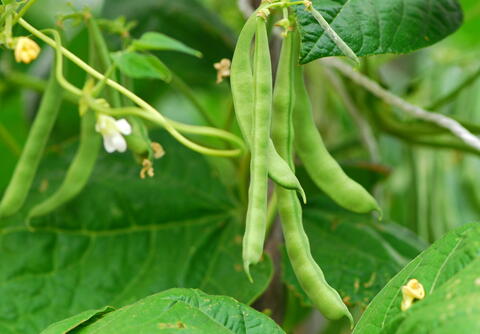
Bush vs. Pole Beans: Maximize Your Harvest All Season Long
There's an undeniable magic in harvesting your own fresh green beans. Plucked straight from the plant, they boast a crispness and flavor that grocery store varieties simply can't match. Not only are they incredibly versatile in the kitchen, but they're also packed with nutrition and surprisingly easy to grow, making them a favorite for both novice and seasoned gardeners. Many aspiring gardeners wonder about the best approach to planting green beans, especially when faced with the choice between bush and pole varieties. Understanding the distinct growth habits of these two types is key to planning your garden for a continuous, abundant yield that lasts from early summer well into fall.
From a gardener who started with a love for these crunchy pods, I can tell you that embracing both bush and pole beans is the secret to unlocking their full potential. Whether you're aiming for a quick, concentrated harvest for canning or a steady supply for daily meals, we'll explore how to leverage each type to maximize your harvest all season long.
Understanding Green Bean Growth Habits: Bush vs. Pole
The primary distinction between green bean varieties lies in their growth habit: bush or pole. This fundamental difference dictates everything from their space requirements to their harvest schedule, and understanding it is crucial for successful garden planning.
Bush Beans: The Sprint to Harvest
As their name suggests, bush beans grow as compact, self-supporting plants, typically reaching heights of 12 to 24 inches. They're often referred to as "determinate" varieties because they produce their harvest in a concentrated burst. Once you sow the seeds in late spring, you can typically expect your first delicious harvest in a remarkably quick 7 to 8 weeks. This rapid turnaround makes them ideal for gardeners who want quick gratification or those looking to process a large batch for freezing or canning all at once.
- Growth: Compact, self-supporting shrubs.
- Height: 12-24 inches.
- Harvest Time: Fast, usually 7-8 weeks from seeding.
- Yield: Concentrated harvest over 2-3 weeks.
- Best For: Small spaces, containers, quick harvests, bulk preservation.
Pole Beans: The Marathon Harvest
Pole beans, in contrast, are vining plants that can stretch an impressive 8 to 10 feet or more. These "indeterminate" varieties require sturdy support—be it a trellis, pole, string, or teepee—to climb. While they take a little longer to start producing compared to bush beans, their harvest period is significantly extended, often continuing for many weeks, even months, until the first hard frost. This makes them perfect for those who desire a steady, ongoing supply of fresh beans throughout the growing season.
- Growth: Vining, requires support (trellis, poles).
- Height: 8-10+ feet.
- Harvest Time: Slower to start than bush beans, but continuous production.
- Yield: Extended harvest over many weeks.
- Best For: Maximizing yield in vertical space, continuous fresh eating.
Timing Your Planting for Success: When to Start Planting Green Beans
Regardless of whether you choose bush or pole, the timing of your initial planting is paramount. Green bean seedlings are notoriously frost-tender, and cold temperatures can shock them, stunting their growth or even killing young plants. Patience is a virtue when it comes to Green Bean Planting Secrets: Soil Temp, Direct Sowing & Frost.
The golden rule for planting green beans is to wait until all danger of frost has definitively passed and the weather is consistently warm and sunny. A useful mnemonic is: if it’s time to grow tomatoes, it’s also a good time to plant bean seeds!
More specifically, focus on soil temperature rather than just air temperature. The ideal soil temperature for robust germination is between 70-85°F (21-29°C), with a minimum of 65°F (18°C). Investing in a simple soil thermometer will eliminate guesswork and ensure you're planting into conditions conducive to success. Aim to sow your seeds one to two weeks after your last average frost date.
Beans have sensitive root systems that do not tolerate disturbance well. Therefore, the best method for planting green beans is direct seeding outdoors. Starting them indoors and transplanting can set them back significantly. While some growers with very short seasons might attempt transplanting using biodegradable pots (like paper pots) to minimize root shock, it's generally not recommended for the easiest and most successful outcome. If you do choose this route, remember to harden off your seedlings outdoors for a week or two to acclimate them to external conditions before their final move.
Strategic Planting for an Abundant, Season-Long Yield
This is where the magic happens for an extended harvest. By strategically combining bush and pole beans, and utilizing succession planting, you can enjoy fresh green beans from early summer until the first frosts of autumn.
Succession Planting Bush Beans
Because bush beans produce their harvest in a relatively short window, the key to continuous supply is succession planting. Instead of planting all your bush bean seeds at once, stagger your plantings every 2 to 3 weeks. For example:
- Plant your first batch of bush beans immediately after the danger of frost has passed and soil temperatures are ideal.
- Two to three weeks later, plant another batch in a different section of your garden.
- Repeat this process until about 8-10 weeks before your first anticipated fall frost.
This method ensures that as one crop finishes producing, the next is just beginning to yield, providing a steady supply rather than an overwhelming glut followed by a scarcity.
Leveraging Pole Beans for Continuous Harvest
Pole beans are your workhorses for consistent, long-term production. Plant your pole beans at the same time as your first or second bush bean succession. Once they start producing (which is typically a little later than bush beans), they will continue to bear fruit as long as you keep harvesting them regularly. The more you pick, the more they produce!
Ensure you install sturdy support structures at the time of planting. Whether it's a dedicated trellis, a simple pole, or an elaborate teepee, having the support ready from day one will encourage healthy climbing and prevent stress on young plants.
Combining Both Types for Ultimate Abundance
For the ultimate "maximize your harvest all season long" strategy, integrate both bush and pole beans into your garden plan:
- Early Harvest: Start with an initial planting of fast-producing bush beans for your first early summer bounty.
- Mid-Season Transition & Mainstay: At the same time, or shortly after, plant your pole beans. They will take over production as your first bush bean crop begins to wane.
- Continuous Supply: Continue with succession plantings of bush beans every 2-3 weeks throughout the summer. These will provide additional flushes of beans, complementing the steady stream from your pole beans.
- Late Season Boost: Your pole beans will keep producing until frost, and your last succession of bush beans can give you a final harvest just before the cold truly sets in.
This combined approach ensures you have an early surge, a consistent flow, and a late-season bonus, truly maximizing your green bean yield.
Essential Growing Conditions for Thriving Bean Plants
Beyond timing and variety selection, providing optimal growing conditions is vital for healthy, productive bean plants.
- Sunlight: Green beans are sun-lovers. Choose a site that receives at least 6-8 hours of full sunlight daily.
- Soil: Well-drained, fertile soil is key. Before planting green beans, amend your garden beds with an inch of good quality compost. This enriches the soil, improves drainage, and provides essential nutrients. A slow-release organic vegetable fertilizer can also provide a balanced supply of nitrogen, phosphorus, and potassium, although beans are legumes and are known for their ability to fix nitrogen in the soil.
- Watering: Consistent moisture is crucial, especially during flowering and pod development. Aim for about 1 inch of water per week, either from rain or irrigation. Avoid overhead watering late in the day, which can encourage fungal diseases.
- Spacing: When direct seeding, plant bean seeds an inch deep, about six inches apart from each other. If planting in rows, space the rows three feet apart to allow for good air circulation and easy harvesting. A common practice is to plant two seeds per hole, then thin them to the strongest single seedling after they sprout.
- Container Gardening: Both bush and pole beans can thrive in containers. Bush beans are particularly well-suited for pots, while pole beans can be grown in larger containers with a compact trellis or stake. Ensure containers have good drainage holes.
By understanding the nuances of bush versus pole beans and employing smart planting strategies, you can transform your garden into a green bean factory. From the speedy gratification of bush beans to the enduring bounty of pole varieties, there's a delicious green bean for every palate and every garden plan. So, roll up your sleeves, prepare your soil, and get ready to enjoy the unparalleled taste of homegrown green beans all season long. Happy gardening!
