Grow Delicious Green Beans: Your Guide to a Bountiful Harvest
There's nothing quite like the crisp snap and vibrant flavor of fresh green beans, especially when they come straight from your own garden. Far superior in taste and nutrition to their supermarket counterparts, homegrown green beans are a culinary delight that even the most acclaimed chefs appreciate. What's even better? They are remarkably easy to grow, making them a perfect choice for both seasoned gardeners and enthusiastic novices alike. By mastering the simple art of planting green beans, you can ensure a steady supply of this versatile vegetable all season long.
From a small container on a sunny deck to expansive raised beds, green beans adapt beautifully, rewarding you with an abundance of pods. Join us as we explore everything you need to know to cultivate these rewarding legumes, transforming your garden into a green bean haven.
Choosing Your Green Beans: Bush vs. Pole Varieties
Before you even think about putting seeds in the ground, understanding the two primary types of green beans – bush and pole – will significantly impact your gardening strategy and ultimate harvest. Both are varieties of Phaseolus vulgaris, but their growth habits differ dramatically, influencing how you'll plant and support them.
- Bush Beans: The Fast-Track to Harvest
Bush beans are aptly named for their compact, self-supporting growth habit, typically reaching a modest height of 12 to 24 inches. They're often the go-to for beginners due to their straightforward nature and quick turnaround. Once seeds are sown in late spring, you can usually expect your first harvest in a speedy seven to eight weeks. The main downside? Their harvest period is concentrated, lasting only about three weeks. However, this can be cleverly circumvented with a technique called succession planting, where you sow new batches of seeds every two to three weeks to extend your harvest window. - Pole Beans: The Climbing Champions
In contrast, pole beans are vining plants that love to climb, often reaching impressive heights of eight to ten feet. They require a sturdy support system – think trellises, poles, or even a teepee structure – to thrive. While they take a little longer to mature than bush beans, their harvest is typically more prolonged and continuous once they start producing. Pole beans offer a charming vertical element to your garden and can be incredibly productive in smaller spaces, as they grow upwards rather than outwards.
Choosing between bush and pole beans depends on your available space, the support you're willing to provide, and your desired harvest duration. Many gardeners, like myself, enjoy growing both to maximize their yield and extend the fresh bean season. For a deeper dive into these fascinating types and how to optimize your planting, check out our guide on Bush vs. Pole Beans: Maximize Your Harvest All Season Long.
The Art of Planting Green Beans: Timing and Location
Successful planting green beans hinges on two crucial factors: impeccable timing and the right location. Green bean seedlings are notoriously frost-tender, and even a slight chill can shock them, stunting their growth or preventing them from maturing altogether. Patience is a virtue here; waiting for consistently warm weather is paramount.
Optimal Timing for Planting Green Beans
The golden rule for planting green beans is to wait until all danger of frost has definitively passed. A useful gardener's adage suggests that if it's time to plant tomatoes, it's also a good time for bean seeds. More precisely, aim to sow your seeds one to two weeks after your region's last average frost date. The most critical indicator, however, is soil temperature. Green bean seeds germinate best when soil temperatures hover above 65°F (18°C), with an ideal range between 70-85°F (21-29°C). Investing in a simple soil thermometer is an invaluable tool for taking the guesswork out of this process.
Rushing to plant in cold, wet soil is a common mistake that can lead to poor germination and even seed rot. Waiting for the soil to warm up naturally ensures a healthier start for your young plants.
Choosing the Perfect Location and Preparing Your Soil
Green beans are sun-worshippers. Select a site in your garden that receives at least six to eight hours of full sunlight daily. Adequate sunlight is essential for robust growth, prolific flowering, and abundant pod development.
Beyond sunlight, healthy soil is the foundation of a successful green bean harvest. Green beans, as legumes, have the incredible ability to fix nitrogen in the soil, which benefits not only them but also subsequent crops. Before planting, it's highly recommended to amend your garden beds. Work in an inch or two of nutrient-rich compost to improve soil structure, drainage, and fertility. You might also consider incorporating a slow-release organic vegetable fertilizer to provide a balanced supply of essential nutrients like nitrogen, phosphorus, and potassium. Healthy soil means healthier plants and ultimately, a more bountiful harvest.
Direct Sowing: The Preferred Method for Green Beans
Unlike many other vegetables that benefit from an indoor head start, green beans generally prefer to be direct-sown into the garden. Their root systems are quite sensitive and do not take well to transplanting. Disturbing these delicate roots can cause significant stress, leading to stunted growth or even plant failure.
However, for gardeners in regions with very short growing seasons, transplanting might offer a slight advantage in "cheating" the weather. If you choose this route, sow seeds indoors in biodegradable pots like peat or paper pots, which can be planted directly into the ground without disturbing the roots. Alternatively, look for established bean seedlings at your local nursery. Remember to harden off any transplanted seedlings for a week or two outdoors, gradually acclimating them to outdoor temperatures and conditions before their final move. For more detailed insights into direct sowing and understanding frost dates, see our article on Green Bean Planting Secrets: Soil Temp, Direct Sowing & Frost.
Step-by-Step Guide to Planting Green Bean Seeds
Once your soil is warm and ready, and you've chosen your bean variety, the actual act of planting green beans is straightforward. Follow these steps for optimal results:
- Prepare Your Beds: Ensure your soil is loose, well-drained, and amended with compost as discussed.
- Create Furrows or Holes:
- For bush beans: Plant seeds in rows about 3 feet apart. Within each row, create planting spots every 6 inches.
- For pole beans: If using a trellis or pole, plant seeds around the base of the support structure. If planting in rows with vertical supports, space rows 3-4 feet apart.
- Planting Depth: Green bean seeds are larger than many other vegetable seeds. Plant them about 1 inch deep.
- Seed Placement: To ensure good germination, place two seeds per hole or planting spot. This redundancy helps account for any seeds that might not sprout.
- Cover and Water: Gently cover the seeds with soil and lightly pat down. Water the newly planted area thoroughly but gently to avoid dislodging the seeds. Maintain consistent moisture, but don't overwater, which can lead to rot.
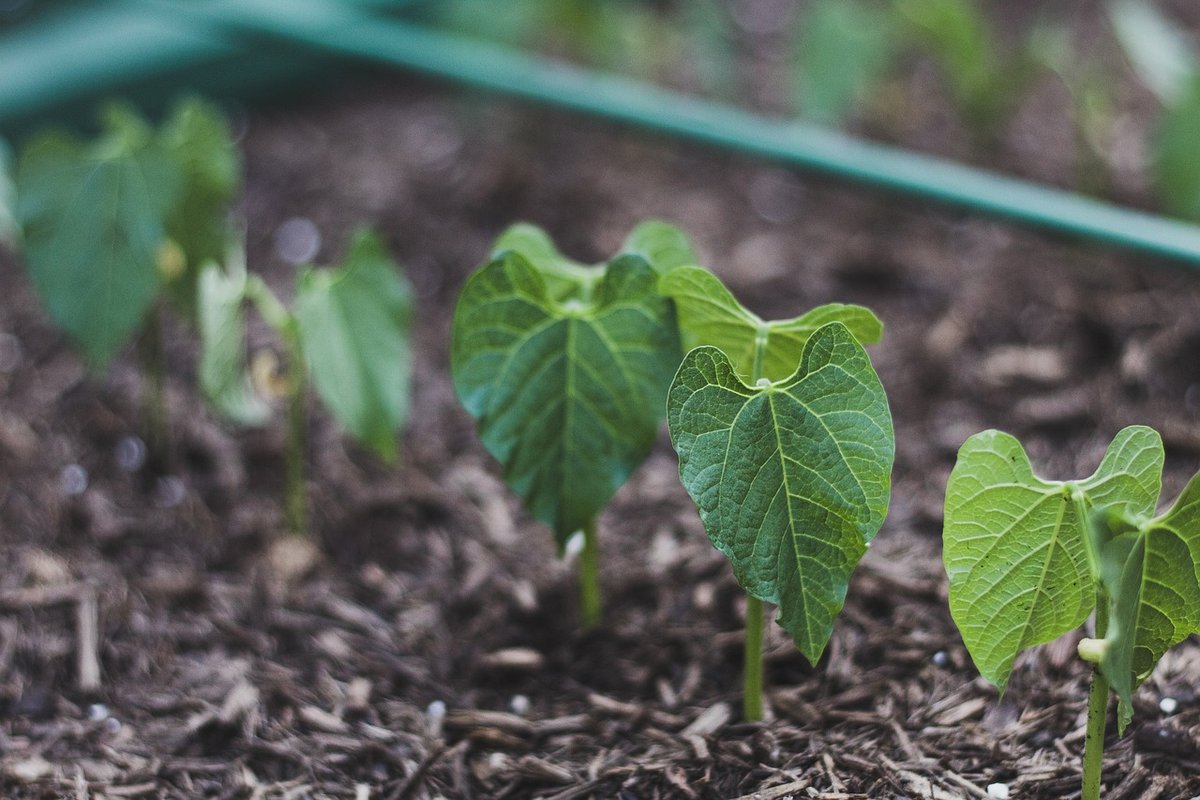
- Thinning (If Necessary): Once your seedlings sprout and develop their first true leaves (the second set of leaves after the initial two seed leaves), thin them to a single, strong seedling per spot. Simply snip the weaker seedling at the soil line to avoid disturbing the roots of the one you intend to keep. This ensures adequate space and resources for the strongest plant to thrive.
Care and Cultivation for a Bountiful Green Bean Harvest
Once your green bean plants are established, ongoing care is relatively minimal but crucial for a successful harvest.
- Watering: Green beans require consistent moisture, especially during their flowering and pod-forming stages. Aim for about 1 inch of water per week, either from rainfall or irrigation. Water deeply and regularly, particularly during dry spells, but avoid overhead watering which can encourage fungal diseases. Drip irrigation or soaker hoses are ideal.
- Weeding: Keep the area around your bean plants free of weeds, which compete for nutrients and water. Be gentle when weeding, as bean plants have shallow root systems that can be easily damaged. Applying a layer of organic mulch, such as straw or shredded leaves, can help suppress weeds, conserve soil moisture, and regulate soil temperature.
- Support for Pole Beans: If you're growing pole beans, ensure their support structure is in place from the beginning. Guide young vines towards the support as they start to climb. They are natural climbers and will quickly twine around their chosen support.
- Pest and Disease Management: Green beans are generally robust, but keep an eye out for common garden pests like aphids or bean beetles, and fungal diseases such as powdery mildew. Early detection and organic pest control methods (like neem oil or insecticidal soap) can help manage issues before they become severe. Ensure good air circulation around plants to help prevent fungal problems.
- Harvesting: This is the most rewarding part! Begin harvesting bush beans when pods are young, tender, and snap easily. For pole beans, harvest regularly to encourage continuous production. The more you pick, the more the plants will produce. Avoid letting pods get too large and tough, as this signals the plant to stop producing new flowers and beans.
- Succession Planting (Bush Beans): To enjoy fresh bush beans over a longer period, remember to sow a new batch of seeds every 2-3 weeks until about two months before your first expected fall frost.
Conclusion
From the delicate task of planting green beans to the joyous snap of your first homegrown pod, the journey of cultivating these versatile legumes is incredibly rewarding. With just a little attention to timing, soil preparation, and ongoing care, you can transform a patch of garden into a productive green bean paradise. Whether you choose the quick bounty of bush beans or the continuous climb of pole varieties, the unparalleled flavor and nutritional benefits of fresh green beans make them a must-have in any home garden. So roll up your sleeves, grab your seeds, and get ready to enjoy a delicious, bountiful harvest that will surely impress your family and friends!
