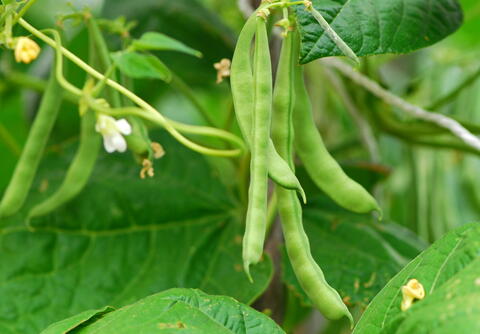
Green Bean Planting Secrets: Mastering Soil Temp, Direct Sowing & Frost for a Bountiful Harvest
There's a special kind of satisfaction that comes from plucking fresh, crisp green beans straight from your garden. More flavorful and nutrient-dense than any grocery store offering, homegrown green beans are a culinary delight and a testament to the rewards of gardening. Whether you're a seasoned gardener or just starting out, planting green beans is an incredibly rewarding experience. But unlocking their full potential requires understanding a few key secrets, primarily concerning soil temperature, the art of direct sowing, and the ever-present threat of frost.
The Allure of Homegrown Green Beans: Why They Belong In Your Garden
From their vibrant color to their satisfying crunch, green beans (Phaseolus vulgaris) are a garden staple for good reason. They're not just delicious; they're also remarkably easy to grow, making them an ideal choice for novice gardeners looking to taste success early on. As legumes, green beans even contribute to soil health, fixing nitrogen that benefits future crops.
Before diving into the "how-to," it's helpful to consider the two main growth habits:
- Bush Beans: These compact varieties grow to about 12-24 inches tall, producing their harvest in a concentrated burst over roughly three weeks. They are fast-growing, usually ready for picking in 7-8 weeks from seeding, and don't typically require support.
- Pole Beans: Vining types that can reach 8-10 feet, pole beans require vertical support like a trellis, stakes, or a teepee. While they take a little longer to produce their initial harvest, they offer a longer, more continuous yield throughout the growing season.
Understanding these types is crucial for planning your garden layout and harvest strategy. To explore further differences and decide which is right for you, check out our guide on Bush vs. Pole Beans: Maximize Your Harvest All Season Long. Regardless of your choice, the foundational principles of successful planting green beans remain the same.
Mastering the Timing: Frost, Soil Temperature, and the Green Bean Calendar
One of the most critical factors for successful planting green beans is timing. Green bean seedlings are notoriously frost-tender, meaning even a light frost can be devastating. Cold temperatures don't just kill young plants; they can shock them, stunting their growth and preventing them from maturing properly. Think of it this way: if it's warm enough to plant tomatoes, it's generally safe to plant green bean seeds!
The Crucial Role of Soil Temperature
While air temperature is important, the temperature of the soil is even more vital for seed germination and healthy root development. Planting green beans when the soil is too cold and wet is a recipe for disaster, often leading to seeds rotting before they can sprout. The ideal conditions are:
- Minimum Planting Soil Temperature: Wait until your soil consistently hovers above 65°F (18°C).
- Ideal Germination Range: For optimal sprouting, aim for soil temperatures between 70-85°F (21-29°C).
How do you measure this? Invest in a good soil thermometer. Simply insert it into the ground about 2-3 inches deep in the morning for a few days to get an accurate average reading. This simple tool is your best friend for avoiding early planting mistakes.
After the Last Frost Date
Generally, you should plan to plant green bean seeds one to two weeks after your region's last average frost date. This gives the soil ample time to warm up naturally. By combining knowledge of your local frost dates with actual soil temperature readings, you create the perfect environment for your green bean seeds to thrive.
Direct Sowing vs. The Transplanting Dilemma
When it comes to planting green beans, there's a golden rule: direct sowing is almost always the best approach. Green beans possess sensitive root systems that react poorly to disturbance. Starting them indoors and then transplanting them into the garden can lead to transplant shock, setting back growth or even killing the seedlings.
The Art of Direct Sowing
Since green bean seeds are relatively large, they're easy to handle and quick to germinate outdoors, eliminating the need for indoor starts in most cases. Here’s how to do it right:
- Depth: Plant seeds about one inch deep.
- Spacing: Space individual seeds roughly six inches apart.
- Row Spacing: If planting in rows, ensure about three feet between them to allow for ample growth and air circulation.
- The "Two Seeds Per Hole" Trick: To ensure good germination, plant two seeds per hole. Once both sprout, thin them to the strongest single seedling by snipping the weaker one at the soil line. This prevents disturbing the roots of the stronger plant.
When to Consider Transplanting (and How to Do It Carefully)
While not recommended as a primary strategy, some growers in regions with very short growing seasons may consider transplanting to "cheat the weather" slightly. If you must go this route, extreme caution is advised:
- Biodegradable Pots: Sow seeds indoors in pots that can be planted directly into the garden without disturbing the roots, such as peat pots, paper pots, or soil blocks.
- Nursery Seedlings: Purchase established bean seedlings from a local nursery that specializes in healthy starts.
- Harden Off: Before transplanting any indoor-started seedlings outdoors, you must "harden them off." This is a gradual process (usually 1-2 weeks) where plants are exposed to increasing periods of outdoor conditions (sun, wind, cooler temperatures) to acclimate them to their new environment. Failing to harden off will almost certainly lead to transplant shock.
Preparing for a Bountiful Bean Harvest: Soil, Site & Support
Beyond timing and planting method, creating the right environment is key for a successful green bean crop.
Site Selection and Sun Exposure
Green beans are sun-worshippers. Choose a location in your garden that receives at least six to eight hours of direct sunlight per day. Full sun encourages robust growth and maximizes your harvest.
Soil Preparation: The Foundation of Health
Green beans thrive in well-draining, fertile soil. Before planting green beans, take the time to prepare your garden beds:
- Amend with Compost: Work in a layer of about an inch of high-quality compost into the top 6-8 inches of soil. Compost improves soil structure, drainage, and provides a slow release of essential nutrients.
- Organic Fertilizer: While beans are legumes and can fix their own nitrogen later in their life cycle, an initial boost of balanced nutrients is beneficial. Apply a slow-release organic vegetable fertilizer that provides nitrogen, phosphorus, and potassium (NPK) according to package directions.
Providing Support for Pole Beans
If you opt for pole beans, remember they are vining plants and will need something to climb. Install trellises, stakes, or teepees at the time of planting to give the young vines something to grasp onto as they grow. This prevents them from sprawling on the ground, which can lead to disease and make harvesting difficult.
Succession Planting for Extended Yields
To enjoy a continuous supply of fresh green beans throughout the season, especially with bush varieties, consider succession planting. This involves sowing new batches of seeds every two to three weeks until about two months before your first expected fall frost. This strategy ensures you'll always have tender pods ready for picking.
Conclusion
Planting green beans doesn't have to be a mystery. By understanding the critical role of soil temperature, respecting their frost-tender nature, and prioritizing direct sowing, you set your garden up for success. Combine these insights with well-prepared soil and proper support, and you'll be well on your way to enjoying a season-long bounty of delicious, nutritious homegrown green beans. So grab your soil thermometer, pick out your favorite varieties, and get ready to experience the pure joy of a thriving green bean patch!
